
11 “The saying is trustworthy, for: “If we have died with him, we will also live with him; 12 if we endure, we will also reign with him; if we deny him, he also will deny us; 13 if we are faithless, he remains faithful—for he cannot deny himself.” (2 Timothy 2:11–13 (ESV)
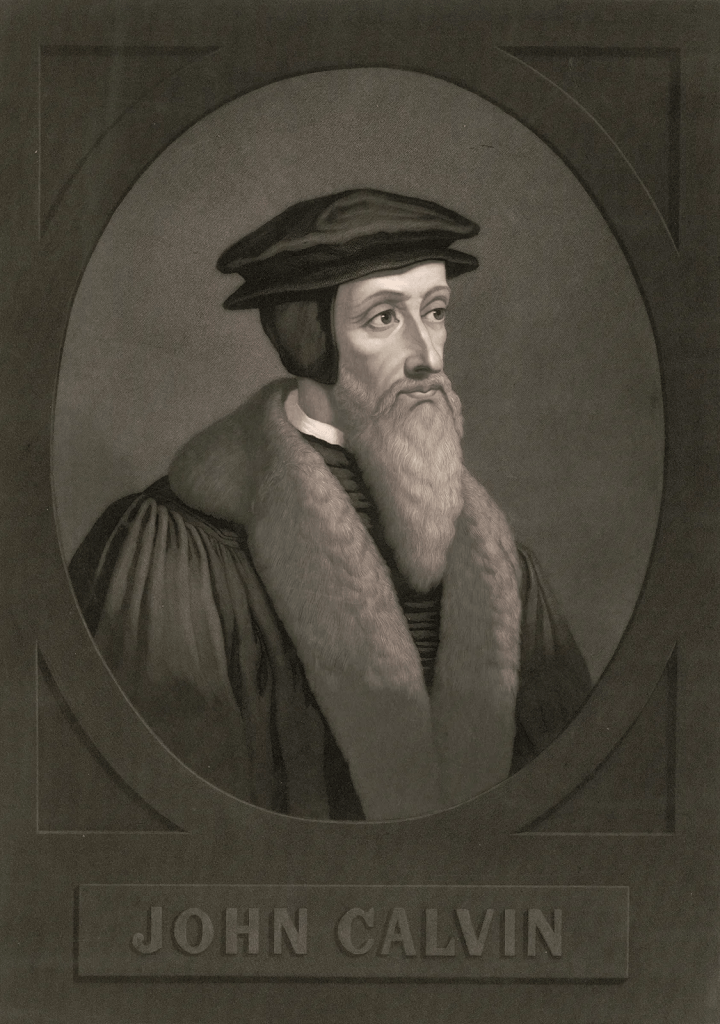
Throughout this study of 2 Timothy, I will extensively refer to John Calvin’s commentary on particular verses. I trust you will find them helpful, as I do, in understanding the biblical text.
A faithful saying. He makes a preface to the sentiment which he is about to utter; because nothing is more opposite to the feeling of the flesh, than that we must die in order to live, and that death is the entrance into life; for we may gather from other passages, that Paul wanted to make use of a preface of this sort, in matters of great importance, or hard to be believed.
If we die with him, we shall also live with him. The general meaning is, that we shall not be partakers of the life and glory of Christ, unless we have previously died and been humbled with him; as he says, that all the elect were “predestinated that they might be conformed to his image.” (Romans 8:29.)
This is said both for exhorting and comforting believers. Who is not excited by this exhortation, that we ought not to be distressed on account of our afflictions, which shall have so happy a result? The same consideration abates and sweetens all that is bitter in the cross; because neither pains, nor tortures, nor reproaches, nor death ought to be received by us with horror, since in these we share with Christ; more especially seeing that all these things are the forerunners of a triumph.
By his example, therefore, Paul encourages all believers to receive joyfully, for the name of Christ, those afflictions in which they already have a taste of future glory. If this shocks our belief, and if the cross itself so overpowers and dazzles our eyes, that we do not perceive Christ in them, let us remember to present this shield, “It is a faithful saying.” And, indeed, where Christ is present, we must acknowledge that life and happiness are there. We ought, therefore, to believe firmly, and to impress deeply on our hearts, this fellowship, that we do not die apart, but along with Christ, in order that we may afterwards have life in common with him; that we suffer with him, in order that we may be partakers of his glory. By death he means all that outward mortification of which he speaks in 2 Corinthians 4:10.
If we deny him, he will also deny us. A threatening is likewise added, for the purpose of shaking off sloth; for he threatens that they who, through the dread of persecution, leave off the confession of his name, have no part or lot with Christ. How unreasonable is it, that we should esteem more highly the transitory life of this world than the holy and sacred name of the Son of God! And why should he reckon among his people those who treacherously reject him? Here the excuse of weakness is of no value; for, if men did not willingly deceive themselves with vain flatteries, they would constantly resist, being endued with the spirit of strength and courage. Their base denial of Christ proceeds not only from weakness, but from unbelief; because it is in consequence of being blinded by the allurement of the world, that they do not at all perceive the life which is in the kingdom of God. But this doctrine has more need of being meditated on than of being explained; for the words of Christ are perfectly clear, “Whoever shall deny me, him will I also deny” (Matthew 10:33.)
It remains that everyone consider with himself, that this is no childish terror, but the judge seriously pronounces what will be found, at the appointed time, to be true.
If we are unbelieving, he remaineth faithful. The meaning is, that our base desertion takes nothing from the Son of God or from his glory; because, having everything in himself, he stands in no need of our confession. As if he had said, “Let them desert Christ who will, yet they take nothing from him; for when they perish, he remaineth unchanged.”
He cannot deny himself. This is a still stronger expression. “Christ is not like us, to swerve from his truth.” Hence it is evident, that all who deny Christ are disowned by him. And thus he drives away from wicked apostates the flatteries with which they soothe themselves; because, being in the habit of changing their hue, according to circumstances, they would willingly imagine that Christ, in like manner, assumes various forms, and is liable to change; which Paul affirms to be impossible. Yet, at the same time, we must firmly believe what I stated briefly on a former passage, that our faith is founded on the eternal and unchangeable truth of Christ, in order that it may not waver through the unsteadfastness or apostasy of men.
May the Lord’s truth and grace be found here. Have a blessed day in the Lord.
Soli deo Gloria!

