
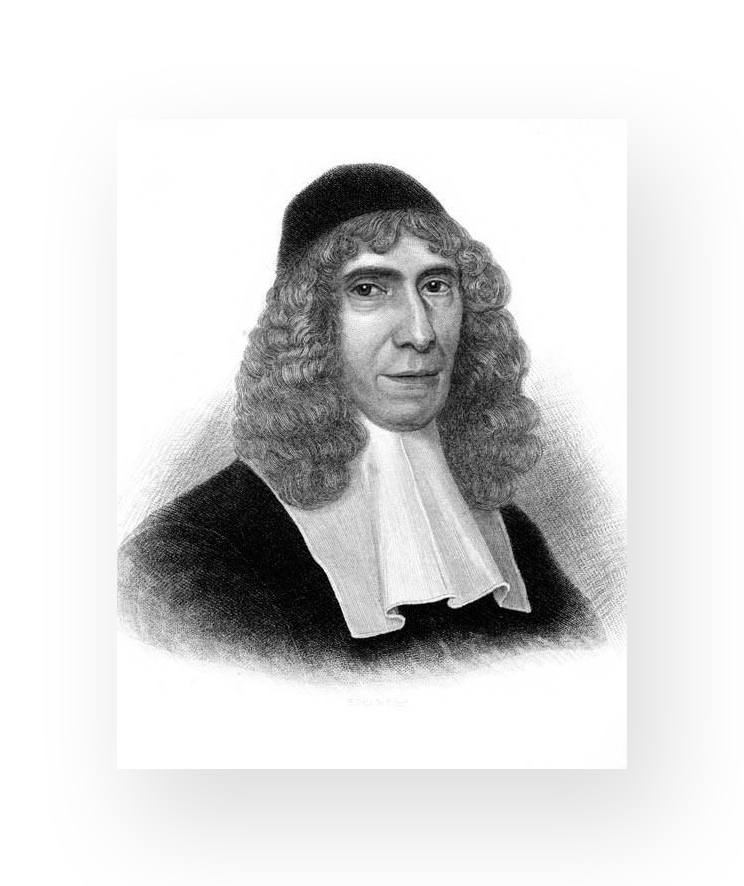
The following excerpted essay was written by English Puritan theologian John Owen (1616-1683). It is entitled The Special Duty of Pastor of Churches. The concerns and challenges he observed in the 17th century apply to pastors of churches in the 21st century.
The fourth task of the pastor is to preserve the truth or doctrine of the gospel received and professed in the church, and to defend it against all opposition. This is one principal end of the ministry, and one principal means of the preservation of the faith once delivered to the saints. This is committed especially to the pastors of the churches, as the apostle frequently and emphatically repeats its charge to Timothy, and through him to all to whom the dispensation of the word is committed (I Tim. 1:3; 4:6, 16, 20; 2 Tim. 1:14; 2:25; 3:14).
He gives the same charge to the elders of the church at Ephesus (Acts 20:28-31). What he says of himself, that the “glorious gospel of the blessed God was committed to his trust” (1Tim. 1:11) is true of all pastors of churches, according to their measure and call; and they should all aim at the account which he gives of his ministry in this: “I have fought a good fight, I have finished my course, I have kept the faith” (2 Tim. 4:7). The church is the “pillar and ground of the truth;” (I Tim. 3.15) and it is principally so in its ministry. The sinful neglect of this duty was the cause of most of the pernicious heresies and errors that have infested and ruined the church. Those whose duty it was to preserve the doctrine of the gospel entire in its public profession, have (many of them) “spoken perverse things to draw away disciples after them” (Acts 20:30). Bishops, presbyters, public teachers, have been the ringleaders in heresies. Which is why this duty is especially to be attended to at this time, when the fundamental truths of the gospel are impugned on all sides, by all sorts of adversaries.
A number of things are required for this, such as:
(1.) A clear, sound, comprehensive knowledge of the entire doctrine of the gospel, attained by all means that are useful and commonly prescribed for that end, especially by diligent study of the Scripture, with fervent prayer for illumination and understanding. Men cannot preserve for others what they are ignorant of themselves. Truth may be lost by weakness as well as by wickedness. And the defect in this, in many, is deplorable.
(2.) Love of the truth which they have so learned and comprehended. Unless we look at truth as a pearl, as what is valued at any rate, bought with any price, as what is better than all the world, we will not endeavor to preserve it with the required diligence. Some are ready to part with truth at an easy rate, or to grow indifferent about it; we have multitudes of examples in the days in which we live. It would be easy to give instances of various important evangelical truths, which our forefathers in the faith contended for with all earnestness, and were ready to seal with their blood, which are now utterly disregarded and opposed by some who pretend to succeed them in their profession. If ministers do not have a sense of that power of truth in their own souls, and a taste of its goodness, then the discharge of this duty is not to be expected from them.
(3.) A conscientious care and fear of giving countenance or encouragement to novel opinions, especially those that oppose any truth whose power and efficacy has been experienced among those who believe. Vain curiosity, boldness in conjectures, and readiness to vent their own conceits, have caused no small trouble and damage to the church.
(4.) Learning and ability of mind to discern and disprove the oppositions of the adversaries of the truth, and thereby to stop their mouths and convince those who question it.
(5.) The solid confirmation of the most important truths of the gospel, into which all other truths are resolved, in their teaching and ministry. Men may and often do prejudice, indeed, betray the truth by the weakness of their pleas for it.
(6.) Keeping a diligent watch over their own flocks against the craft of outside seducers, and against any bitter root of error springing up among themselves.
(7.) Concurrent assistance with the elders and messengers of other churches with whom they are in communion, in declaring the faith which they all profess; we must talk more at large about this later. It is evident what learning, labor, study, pains, ability, and exercise of the rational faculties, are ordinarily required for the right discharge of these duties. Where men may be useful to the church in other things, but are defective in these things, it becomes them to walk and act both circumspectly and humbly, frequently desiring and adhering to the advice of those whom God has entrusted with more talents and greater abilities.
Pray for your pastor to be such a man of God and to faithfully continue in the work which God has called Him. May the Lord’s truth and grace be found here. Have a blessed day in the Lord.
Soli deo Gloria!
 His Word Today