
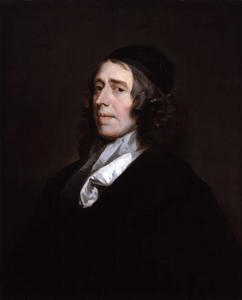
The following excerpted essay was written by English Puritan theologian John Owen (1616-1683). It is entitled The Special Duty of Pastor of Churches. The concerns and challenges he observed in the 17th century apply to pastors of churches in the 21st century.
WE have declared the way by which pastors are given to and instated in the church. What should ensue is an accounting of their work and duty in the discharge of their office. But this has been the subject of many long discourses, both among the ancient writers of the church and as of late; I shall therefore only touch on some things that are most necessary to consider:
The first and principal duty of a pastor is to feed the flock by diligent preaching of the word. It is a promise relating to the New Testament that God would give to his church “pastors according to his own heart, who would feed them with knowledge and understanding.” (Jer. 3:15). This is by teaching or preaching the word, and not otherwise. This feeding is the essence of the office of a pastor, as to its exercise; so that he who does not, or cannot, or will not feed the flock is no pastor, whatever outward call or work he may have in the church.
The care of preaching the gospel was committed to Peter, and through him to all true pastors of the church, under the name of “feeding.” See John 21:15-19. According to the example of the apostles, they are to free themselves from all encumbrances, so that they may give themselves wholly to the word and prayer. Acts 6:1-4. Their work is “to labor in the word and doctrine,” 1Tim 5:17; and thereby to “feed the flock over which the Holy Ghost has made them overseers,” (Acts 20:28) and it is what is given everywhere to those in charge.
This work and duty, therefore, as was said, is essential to the office of a pastor. A man is a pastor to those whom he leads by pastoral teaching, and to no others; the one who does not feed in this way is no pastor. Nor is it required only that he preach now and then at his leisure, but that he lay aside all other employments, though lawful, and all other duties in the church, if his constant attention to them would divert him from this work – so that he is laboring to the utmost of his ability in these things. Without this, no man will be able to give a comfortable account of the pastoral office at the Last Day.
We have lived to see and hear of reproachful scorn and contempt thrown upon “laboring in the word and doctrine” (1Tim 5.17). All manner of discouragements is given, endeavoring to suppress it in a number of instances. Indeed, some have gone so far as to declare that the work of preaching is unnecessary in the church. That would reduce religion to the reading and rule of the liturgy. The next attempt, I suspect, might be to exclude Christ himself from their religion. That is what denying the necessity of preaching the gospel leads to; indeed, it makes good progress toward it.
A number of things are required for this work and duty of pastoral preaching, such as…
- Spiritual wisdom and understanding in the mysteries of the gospel, so that they may declare to the church “all the counsel of God” and “the unsearchable riches of Christ” (Acts 20:27). The majority of the church, especially those who are grown in knowledge and experience, have a spiritual insight into these things. The apostle prays that all believers might have it (Eph. 1:15). But if those who instruct them, or were to do so, do not have some degree of eminence in it, they cannot be useful to lead others on to perfection. The little care or concern for this, has rendered the ministry of many a preacher both fruitless and useless in our days.
- Experience of the power of the truth which they preach, in and upon their own souls. Without this, they will be lifeless and heartless in their own work; and their labor for the most part will be unprofitable to others. But a man preaches only that sermon well to others which preaches itself in his own soul. The man who does not feed on and thrive by digesting the food which he provides for others, will hardly make it savory to them. Indeed, he does not know if the food he has provided may be poison, unless he has really tasted it himself. If the word does not dwell with power in us, it will not pass with power from us. No man lives in a more woeful condition than those who do not really believe themselves what they persuade others to believe continually. The lack of this experience of the power of gospel truth on their own souls is what gives us so many lifeless, sapless orations, quaint in words, and dead in power – instead of preaching the gospel in the demonstration of the Spirit. Let anyone say what they please, it is evident that some men’s preaching, as well as others’ not-preaching, has lost the credit of their ministry.
- Skill to divide the word rightly d(2Tim 2:15). This consists in a practical wisdom, by diligent attendance to the word of truth, to discover what is real, substantial, and fit food for the souls of the hearers – to give to all sorts of persons in the church their proper portion.
- A prudent and diligent consideration of the state of the flock over which any man is set, as to their strength or weakness, their growth or defect in knowledge (the measure of their attainments requiring either milk or strong meat), their temptations and duties, their spiritual decay or thriving – not only generally but, as near as possible, with respect to all the individual members of the church. Without a due regard for these things, men preach randomly, fighting uncertainly, like those who beat the air (1Cor 9.26). Preaching sermons that are not designed to benefit those to whom they are preached; insisting on general doctrines that are not adjusted to the condition of the hearers; speaking words without considering whether those words ought to be said – are all things that will make those whose minds do not have obvious advantages, weary of preaching; and they will make others weary simply by hearing them.
- All of these, in the whole discharge of their duty, are to be constantly accompanied with the evidence of their zeal for the glory of God and compassion for the souls of men. If these are not vigorously exercised in the minds and souls of those who preach the word, demonstrating themselves to the consciences of those who hear them, then the quickening form, the life and soul of preaching, is lost.
Pray for your pastor to be such a man of God and to faithfully continue in the work which God has called Him. May the Lord’s truth and grace be found here. Have a blessed day in the Lord.
Soli deo Gloria!
 His Word Today