
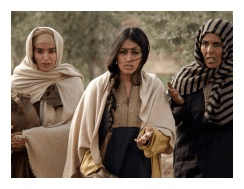
“Now after the dawn of the first day of the week, Mary Magdalene and the other Mary went to see the tomb.” (Matthew 28:1 (ESV)
“When the Sabbath was past, Mary Magdalene, Mary the mother of James, and Salome bought spices, so that they might go and anoint him.” (Mark 16:1 (ESV)
55 The women who had come with him from Galilee followed and saw the tomb and how his body was laid. 56 Then they returned and prepared spices and ointments. On the Sabbath they rested according to the commandment. 1But on the first day of the week, at early dawn, they went to the tomb, taking the spices they had prepared.” (Luke 23:55–24:1 (ESV)
In our study of the Gospel of Matthew’s record of the Passion Week of the Lord Jesus Christ, it is necessary, and insightful, to examine all four Gospel accounts. This discipline provides us understanding of all the events and encounters which took place during those hours. There is a lot of information surrounding the resurrection of Jesus Christ following His death on the cross. All four Gospels provide insight into this historical moment.
“The Gospels contain abundant testimony to the resurrection of Christ (See Matt.28:1-20; Mark 16:1-8; Luke 24:1-53; John 20:1-21:25). In addition to these detailed narratives in the four Gospels, the book of Acts is a story of the apostles’ proclamation of the resurrection of Jesus Christ and of continued prayers to Christ and trust in Him as the one who is alive and reigning in heaven,” explains Dr. Wayne Grudem.
“The Epistles depended entirely on the assumption that Jesus is a living, reigning Savior who is now the exalted head of the church, who is to be trusted, worshiped, and adored, and who will one day return in power and great glory to reign as King over the earth. The book of Revelation repeatedly shows the risen Christ reigning in heaven and predicts His return to conquer His enemies and reign in glory. Thus the entire New Testament bears witness to the resurrection of Christ.”
Matthew, Mark, Luke and John all record the events surrounding Jesus’ resurrection occurred on the first day of the week. They are consistent with each other. They do not contradict each other. They all proclaim Jesus’/ resurrection was on a Sunday. The biblical authors all affirm this as undisputed truth.
“Sabbath officially ended with sundown on Saturday. At this time the women could purchase and prepare spices (Luke 24:1). The event described here occurred on the next morning, at dawn on Sunday, the first day of the week,” explains Dr. John MacArthur.
“The women were not expecting to find Jesus risen from the dead; their only plan was to finish anointing His body for burial. Luke mentions that Joanna and other women were also there (Luke 24:10; cf. Mark 15:41). The women bought more spices in addition to those prepared earlier (cf. Luke 23:56; John 19:39–40). Unlike the Egyptians, the Jewish people did not embalm their dead. Anointing was an act of love, to offset the stench of a decaying body. That the women came to anoint Jesus’ body on the third day after his burial showed that they, like the disciples, were not expecting him to rise from the dead (cf. Mark 8:31; 9:31; 10:34).”
“The first witnesses to the resurrection were the same women who were there when Jesus died—Mary, Mary Magdalene, and Salome. They journeyed to the tomb in order to finish the burial customs and anoint Christ’s body, clearly not expecting to find anything there but His body,” states Dr. R. C. Sproul.
Therefore, the two takeaways from today’s texts are (1) The women who came to Jesus’ tomb did so on Sunday and (2) they did not expect Jesus to be alive; otherwise why bring spices to anoint His dead body if they fully expected Him to be resurrected.
“It is true that they should have paid more attention to the Lord’s repeated prediction that he would rise again on the third day. On the other hand, while we may criticize their lack of sufficient faith—a lack which they shared with the male disciples—let us not overlook their exceptional love and loyalty. They were at Calvary when Jesus died, in Joseph’s garden when their Master was buried, and now very early in the morning, here they are once more, in order to look at the tomb; that is, to see to it that everything is in good order, and to anoint the body,” states Dr. William Hendriksen.
Soli deo Gloria!
 His Word Today